Whispered Light: Elegance in Compact Spaces

Today we explore lighting design for subtle elegance in small rooms, focusing on layered strategies that calm visual noise, deepen comfort, and quietly expand perceived volume. We will balance ambient, task, and accent light, choose humane color temperatures and high rendering, and use dimming to sculpt mood. Expect clear guidance, small-space tricks, and relatable, real-world moments that show how barely noticeable decisions produce unmistakably graceful results without clutter, glare, or unnecessary complexity.
Layered Illumination that Breathes
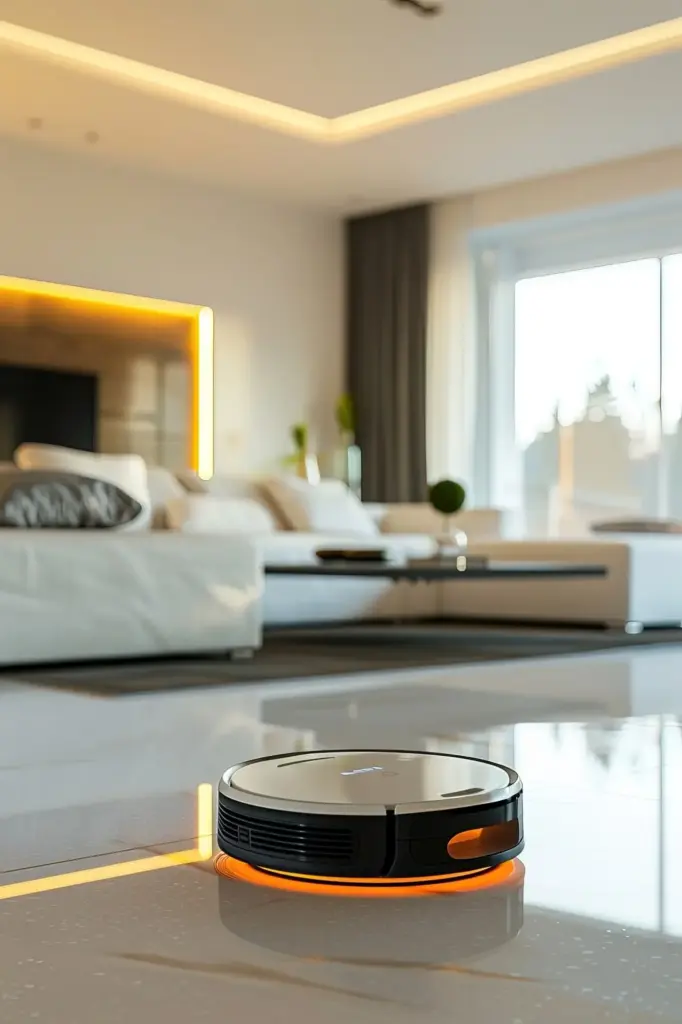
Small rooms flourish when light arrives in gentle layers rather than a single, harsh source. Ambient establishes calm, task supports precision, and accent adds intimacy, while sparkle provides subtle delight. By distributing low-intensity light across surfaces, corners, and pathways, the eye relaxes, shadows soften, and the room feels taller and wider. The secret is restraint: many small cues, thoughtfully dimmed, create a breathable rhythm that supports reading, conversation, and quiet reflection without drawing attention to the fixtures themselves.




Scale, Placement, and Proportion
Elegance in small rooms is a choreography of scale. Oversized fixtures crowd sightlines, while minuscule pieces can feel timid or underpowered. The goal is visual balance: fixtures that sit close to surfaces, respect headroom, and align with furniture edges. Consider the eye level from entry to seating and bed heights, then place light so glare never meets the gaze. Manage cable routes and switch positions thoughtfully, ensuring every touchpoint feels effortless, unobtrusive, and naturally integrated into the architecture.
Choose shallow surface-mounts, slim recessed trims, or narrow linear coves that minimize intrusion into the volume. Keeping fixtures tight to the ceiling preserves perceived height, reducing visual weight overhead. Use matte finishes that blend with the surface to avoid drawing attention. When possible, aim indirect light upward to push brightness toward the ceiling plane, which visually lifts the room. The result is a taller feeling space with cleaner composition and fewer visual interruptions from bulky parts.
Wall sconces can organize a compact room by creating a continuous horizontal rhythm at about eye height. Select fixtures with shielding and soft distribution to avoid glare when seated or standing. Pair them where symmetry helps calm the space, or stagger for a gentle, dynamic cadence. When placed near mirrors or pale walls, sconces multiply their effectiveness through reflection, allowing lower wattage and thinner silhouettes. The eye reads a coherent band of light that tidies edges and clarifies circulation.

Finding the Warmth that Flatters
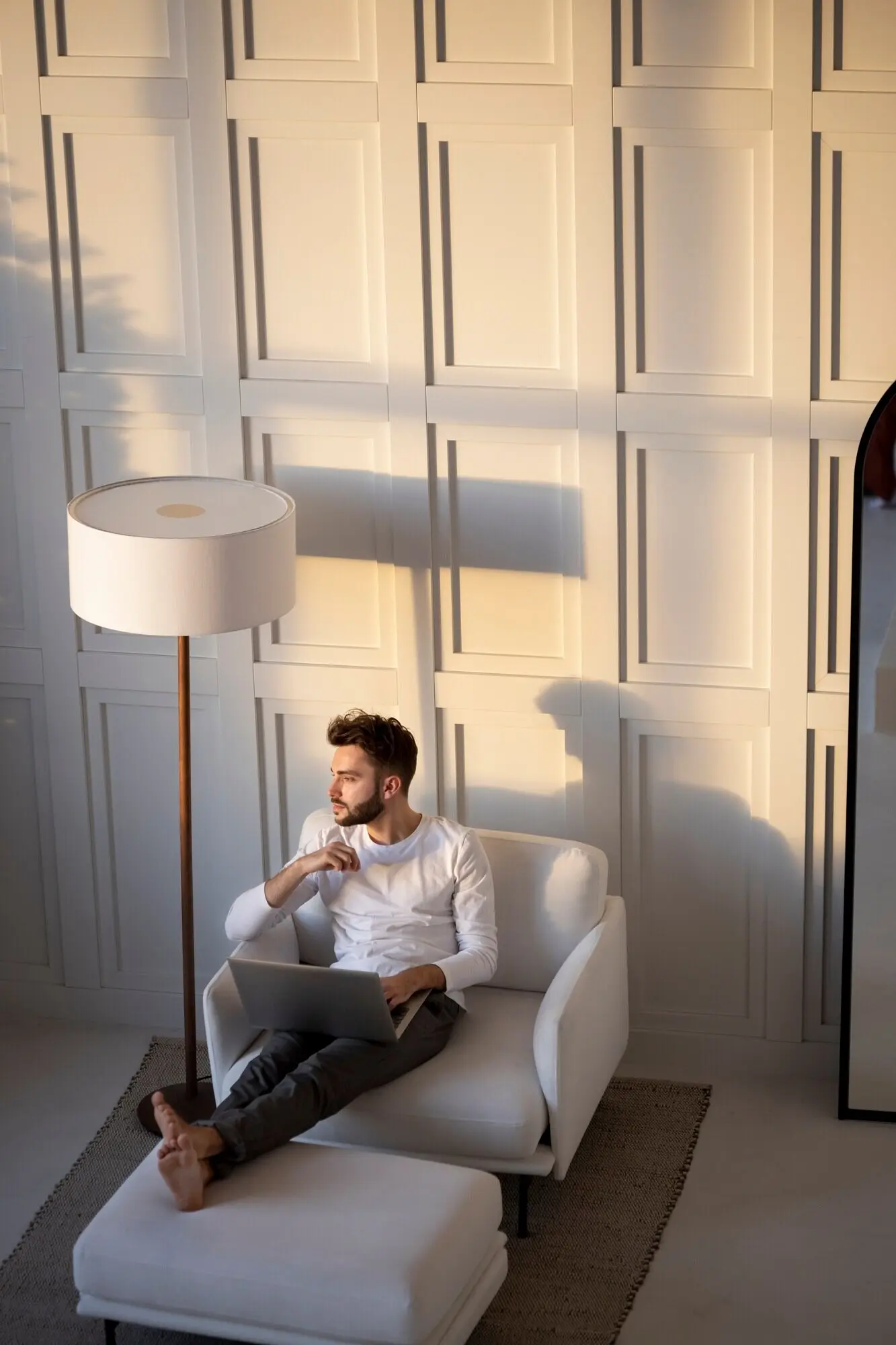
For bedrooms and lounges, 2700K often flatters skin and softens textures, while 3000K can feel crisp yet welcoming in kitchens or home offices. Test at night and day to confirm comfort and color fidelity. Avoid mixing drastically different temperatures within the same sightline, which can fragment the space. Choose lamps with smooth dimming and stable chromaticity, so color stays predictable as brightness changes. This controlled warmth honors intimacy, reduces harshness, and invites longer, more relaxed moments.
High Rendering for Honest Materials
Select bulbs and fixtures with CRI 90+ or, ideally, excellent TM-30 scores for both fidelity and gamut. This preserves subtle wood grains, layered neutrals, and the delicate undertones of paints and fabrics that small rooms rely on for richness. High rendering avoids the “flat plastic” effect of low-quality light, giving depth to textures without increasing wattage. When colors feel honest, elegance reads effortlessly, and every small design investment—tactile linens, warm metals, handcrafted ceramics—truly earns its place.
Surfaces, Shadows, and the Art of Bounce
In compact interiors, light is more beautiful when it touches surfaces indirectly. Bounced beams soften edges, while controlled shadowing creates depth without darkness. Paint finishes, reflectance values, and textures become active partners in a luminous composition. Soft wall-washing stretches boundaries; subtle grazing animates fabric, wood, or stone. Treat ceilings as luminous canvases and corners as reservoirs for gentle brightness. With careful aiming and modest output, you can multiply perceived light, reduce glare, and let elegance emerge from restraint.
Control, Dimming, and Smart Scenes
Graceful small rooms change character throughout the day, and lighting should adapt silently. Layered circuits with smooth, flicker-free dimming let you move from morning clarity to evening softness. Simple wall controls accomplish wonders; smart scenes add memory and timing without complexity. Prioritize compatibility—drivers, dimmers, and lamps must agree. Group lights by purpose, not just location, so a single touch can cue reading, dining, or unwinding. Discretion wins: quiet interfaces, dependable fades, and predictable warmth nurture daily rituals beautifully.
Scenes that Serve Real Life
Define three to five scenes that match daily rhythms: wake, work, dine, unwind, and nightlight. Keep levels low and layered, avoiding full brightness except for chores. Program warm dim where possible, and ensure fades are slow enough to feel cinematic. Test from seated and standing positions to guarantee comfort. Label buttons clearly so guests feel at ease. The goal is dependable choreography that saves time, reduces decision fatigue, and lets the room feel effortlessly elegant at any hour.
Flicker-Free, Quiet, and Compatible
Pair dimmers with the correct drivers and lamp types—ELV for many LEDs, MLV for certain transformers—so fades stay smooth and silent. Watch for low-end stability to avoid shimmer, especially in small rooms where artifacts are more noticeable. Choose reputable lamps with documented dimming curves and high rendering. Keep loads within rated limits, and separate sensitive circuits when needed. When the system behaves predictably, attention shifts back to comfort and conversation, where elegance naturally belongs and technology gracefully recedes.
Real Moments: A Studio Transformed
A 24-square-meter studio felt boxy, with a single bright ceiling lamp and persistent glare on glossy cabinet doors. We replaced it with layered sources: a shallow center disk dimmed low, warm linear uplight above shelves, two shielded sconces at eye level, and a pinpoint picture light for art. Color temperatures aligned at 2700K with CRI 95. The space relaxed immediately, conversations lingered, and the client reported reading longer at night without strain or the urge to flee to brighter cafés.
On the first visit, we noticed sharp shadows in corners, a harsh hotspot on the coffee table, and tired eyes at night. The room’s best qualities—soft textiles and walnut accents—looked flat under cool, uneven light. We mapped typical paths from door to sofa and bed, noting sightlines where glare struck. These clues suggested a gentler baseline and targeted accents could unlock harmony. The client also desired warmth without visual clutter, guiding every subsequent decision with reassuring clarity and purpose.
We kept fixtures minimal: a low-profile ambient disk, two slender sconces, a slim picture light, and hidden linear uplight. Dimmers unified control into three scenes—work, supper, and unwind—each tuned for comfort and reflection. Matching lamps ensured color consistency, while carefully placed beams avoided reflections on cabinets and screens. The biggest surprise was how much turning things down changed behavior: softer voices, slower pacing, and longer pauses. The room began to host conversations rather than chase them away.
After a week, the client texted that evenings felt like a boutique hotel, but more personal and comforting. Reading happened in the favorite chair, not at the desk. Friends stayed for tea. The space seemed larger without moving a wall. The lesson is simple: distribute light gently, color it honestly, and control it kindly. Share your small-room lighting questions, photos, or dilemmas in the comments. Subscribe for upcoming guides, and tell us which corner you hope to transform next.